Tennis elbow, or lateral epicondylitis, is a condition characterized by pain on the outer side of the elbow due to a problem with the tendons connecting the forearm muscles to the elbow bone. This condition is commonly associated with repetitive use of the muscles and tendons, particularly during activities such as gripping, lifting objects, or moving the wrist.
Although it is called tennis elbow, the condition does not only affect tennis players. Work-related or everyday activities involving repetitive hand and wrist movements can also trigger symptoms. The condition may develop gradually and affect a person's ability to perform daily activities.
Tennis elbow generally occurs due to repetitive strain on the forearm extensor tendons, particularly the extensor carpi radialis brevis (ECRB) tendon. Repeated strain can cause structural changes in the tendon and lead to pain. Several factors may increase the risk, including:
Symptoms of tennis elbow may develop gradually and vary from person to person. Common symptoms include:
If the pain persists, becomes more severe, or is accompanied by numbness or unusual weakness, a medical examination is necessary to evaluate other possible causes.
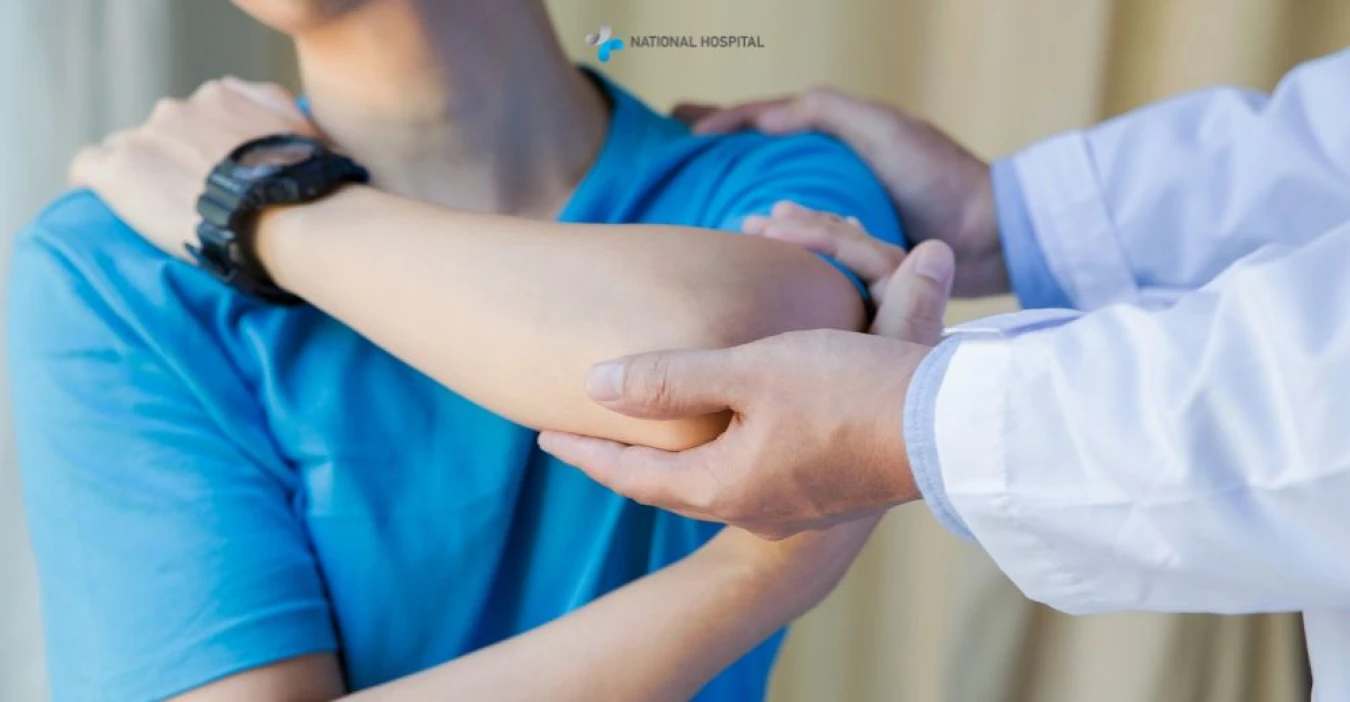
Diagnosis involves a medical consultation and physical examination by a doctor. The doctor will ask when the symptoms began, which activities make the pain worse, whether there is a history of injury, and how the condition affects daily activities.
The physical examination may include assessing the location of the pain, grip strength, and the elbow and wrist responses to specific movements or light resistance.
Additional tests are not always necessary. However, the doctor may recommend X-rays to evaluate the bones or an MRI or ultrasound to assess the tendons and soft tissues if the diagnosis is unclear or symptoms do not improve. Further examinations may also help rule out other conditions, such as arthritis or nerve compression.
Treatment is tailored to the severity of symptoms, tendon condition, activity requirements, and response to previous therapies. Most patients can be treated without surgery.
Initial treatment may include:
Injections and certain therapies do not provide the same benefits for every patient. Treatment options should be discussed with the doctor, taking into account their potential benefits, risks, and supporting evidence of effectiveness.
Surgery is generally considered when pain and functional limitations persist after several months of adequate non-surgical treatment. The decision to proceed with surgery is made by an orthopedic specialist based on the condition of the tendon and the patient's needs.
The goal of surgery is to treat the damaged portion of the tendon, help relieve pain, and improve elbow function. The procedure may be performed through open surgery or arthroscopic techniques in selected patients.
In open surgery, the doctor makes an incision to access the affected tendon. In elbow arthroscopy, a small camera and specialized instruments are inserted through small incisions to treat the affected tissue using the appropriate technique. Not all cases of tennis elbow are suitable for arthroscopic treatment.
The type of procedure is selected based on examination findings, the extent of tendon damage, the doctor's expertise, and other clinical considerations.
Appropriate treatment aims to:
Treatment outcomes may vary from patient to patient. Improvement usually occurs gradually, and treatment success is also influenced by the condition of the tendon and adherence to the rehabilitation program.
Recovery after tennis elbow surgery depends on the type of procedure and the condition of the tendon. Many procedures are performed on an outpatient basis, allowing patients to go home on the same day if their medical condition permits.
During the initial recovery phase, patients will receive instructions on wound care, pain management, and activities that should be restricted. Elbow and wrist movements, as well as strengthening exercises, are introduced gradually according to the guidance of the doctor and physiotherapist.
Light activities can be resumed gradually, while heavy work and sports that place strain on the elbow require a longer recovery period. Patients should avoid increasing their activity levels before receiving guidance from their healthcare team.
Consult a doctor if your elbow pain persists, interferes with work or daily activities, or does not improve after modifying your activities. Early evaluation helps identify the cause of the pain and determine the most appropriate treatment options.
Orthopedic specialists at National Hospital will develop a treatment plan based on each patient's condition, ranging from non-surgical treatment to surgical options when necessary.
References
1. American Academy of Orthopaedic Surgeons (AAOS), OrthoInfo - Tennis Elbow (Lateral Epicondylitis).
2. American Orthopaedic Society for Sports Medicine (AOSSM) - Tennis Elbow.
3. Mayo Clinic Orthopedics & Sports Medicine - Tennis Elbow (Lateral Epicondylitis) — Treatments.






 info@national-hospital.com
 Suggestion
 Login